Can Business Surveillance Cameras Improve Security, Oversight, and Daily Operations?
When a business wants better visibility, fewer blind spots, and stronger control over what happens on-site, are cameras the smartest next step? In many cases, yes. Modern surveillance cameras help companies monitor entrances, work areas, customer zones, and sensitive spaces in real time while also creating a reliable video record for incident review, loss prevention, and operational oversight.For businesses comparing security options, the short answer is simple: surveillance cameras can improve protection, support faster response to incidents, and give managers clearer visibility into what is happening across the property. The real value, however, comes from choosing the right setup, placing cameras strategically, and using a system that fits the size and goals of the business.
Why Do Businesses Use Surveillance Cameras?
Businesses use camera systems for more than theft prevention. A well-planned business surveillance cameras setup can support day-to-day operations, improve accountability, and help decision-makers respond with more confidence when something goes wrong.Common reasons businesses invest in camera systems include:
- Monitoring entry points, exits, and visitor access
- Reducing theft, vandalism, and unauthorized activity
- Reviewing incidents involving customers, staff, or deliveries
- Improving visibility in warehouses, offices, retail floors, and parking areas
- Supporting employee safety and after-hours oversight
- Keeping records of events for internal review or compliance needs
The best systems do not simply record footage. They help businesses stay informed, identify risks sooner, and manage security more proactively.
What Are the Main Benefits of Business Camera Monitoring?
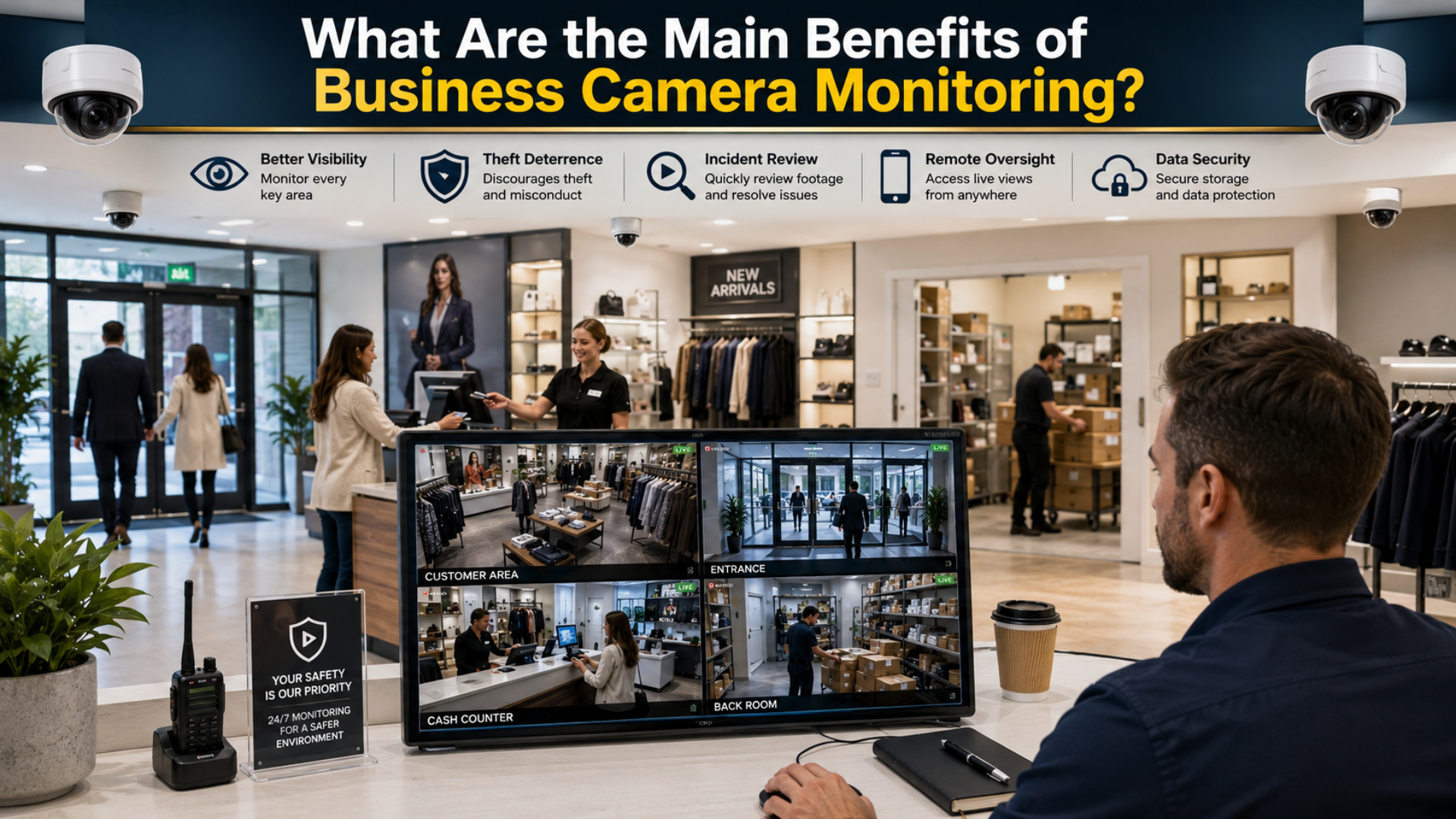
Better visibility across important areas
Cameras help managers and security teams keep an eye on high-traffic or high-risk zones without needing to be physically present in every space. This is especially useful for multi-room offices, retail stores, warehouses, and properties with several access points.
Faster incident review
If a customer complaint, delivery issue, break-in, or workplace dispute occurs, recorded footage can provide helpful context. Instead of relying only on memory or conflicting reports, businesses can review what actually happened.
Stronger deterrence
Visible surveillance equipment can discourage theft, trespassing, and other unwanted behavior. While cameras cannot prevent every incident, they often reduce opportunistic misconduct by increasing the likelihood of detection.
Improved remote oversight
Many modern systems allow owners or managers to check live footage remotely. This can be especially useful for business owners who travel, oversee multiple locations, or want visibility outside regular working hours.
Where Should Cameras Be Placed in a Business?
The most effective camera placement depends on the layout, traffic patterns, and security priorities of the business. A camera plan should focus on visibility, coverage, and practical monitoring needs rather than simply installing devices everywhere.
Priority areas often include:
- Main entrances and exits to capture who enters and leaves
- Reception desks and customer-facing zones where interactions happen frequently
- Cash handling areas or payment counters where financial activity occurs
- Storage rooms and inventory spaces to reduce internal and external loss risks
- Loading docks and delivery access points where packages and goods move in and out
- Parking lots and outdoor access paths to improve perimeter awareness
A thoughtful surveillance camera installation strategy should also account for lighting conditions, blind spots, camera height, and whether indoor or outdoor protection is needed.
What Features Matter Most in a Business Camera System?
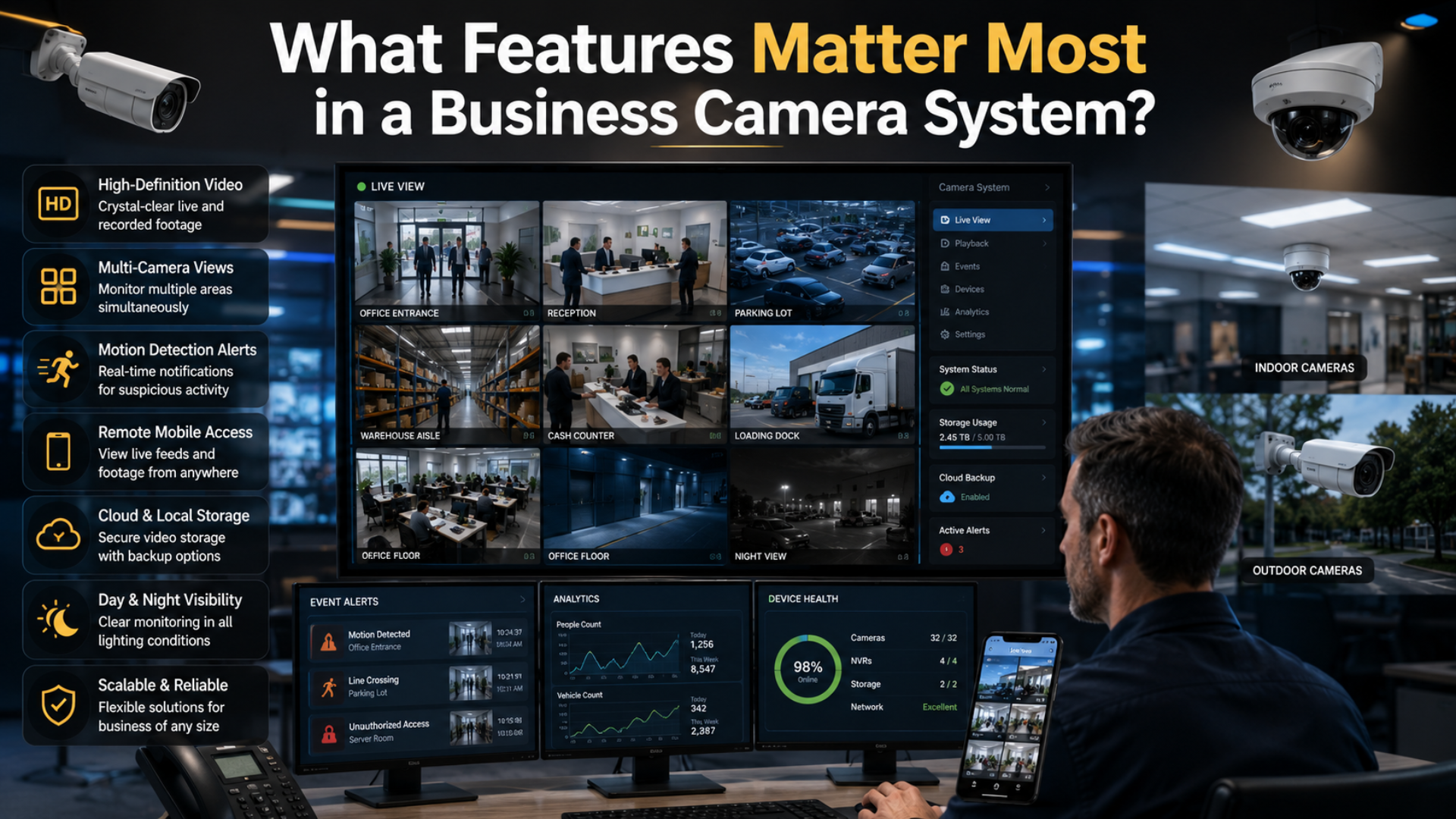
Not every business needs the same level of surveillance capability. A small office may need basic visibility at entry points and shared workspaces, while a warehouse or retail chain may need broader coverage, remote access, and more advanced monitoring tools.
Key features to look for include:
High-resolution video
Clear footage makes it easier to identify people, events, and activity details during playback.
Night or low-light visibility
Businesses that operate early, late, or overnight benefit from cameras that can capture usable footage in darker conditions.
Motion alerts
Motion-based notifications can help teams notice activity in restricted or low-traffic areas without constantly watching live feeds.
Remote access
Mobile or browser-based viewing helps owners and managers stay connected to their property from other locations.
Secure storage options
Reliable video retention matters for reviewing incidents and preserving important footage when needed.
Indoor and outdoor durability
Some cameras are built specifically for weather exposure, temperature changes, or harsher commercial environments.
How Can Businesses Choose the Right Surveillance Setup?
The right setup starts with clear priorities. Before choosing hardware or adding more cameras, businesses should define what they want the system to achieve.
Ask these questions first:
- Which areas need the most visibility?
- Are you mainly focused on theft prevention, employee safety, operational oversight, or all three?
- Do you need indoor cameras, outdoor cameras, or both?
- Will multiple managers need remote access?
- How long should footage be stored?
- Do you need a simple setup for one site or a scalable system for multiple locations?
A practical approach is to start with the highest-priority zones, then expand coverage if needed. This helps avoid overspending while still improving security where it matters most.
How Do Business Surveillance Cameras Support Daily Operations?
Security is the most obvious reason to install cameras, but businesses also use them to improve routine oversight. Camera footage can help managers understand traffic flow, identify bottlenecks, confirm deliveries, and maintain awareness of how spaces are being used throughout the day.For example, a retail business might review camera footage to understand peak customer times or checkout congestion. A warehouse might use it to confirm loading activity or investigate shipping delays. An office may use cameras to improve after-hours visibility around entrances and restricted areas.This operational value becomes stronger when cameras are part of a broader Video Surveillance System that combines multiple viewpoints, centralized monitoring, footage retention, and easy access for authorized users.
Are Business Camera Systems Worth It?
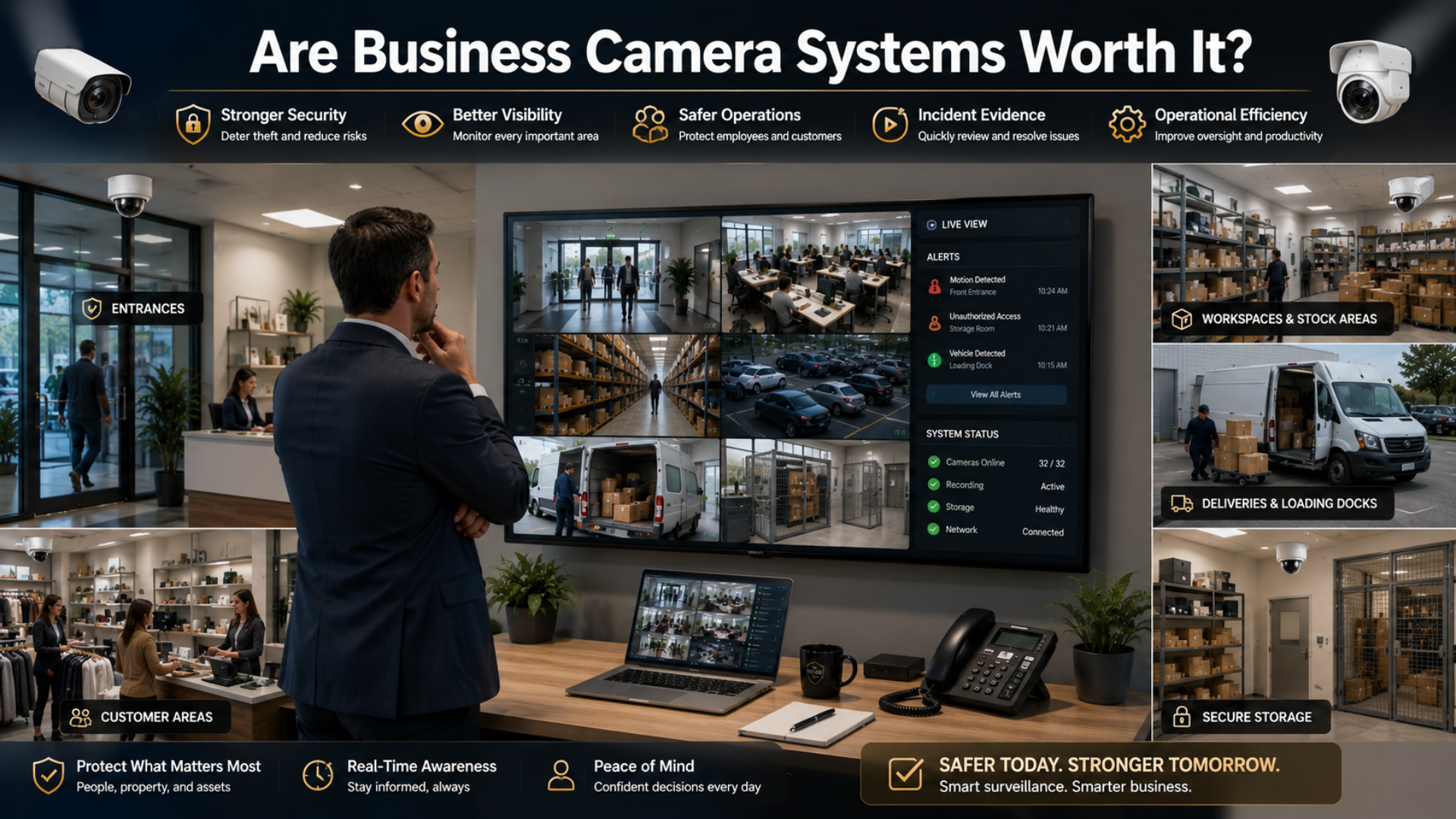
For many companies, yes. The value of camera monitoring is not limited to catching incidents after they happen. It also comes from stronger visibility, better documentation, and the ability to make more informed decisions about security and operations.A well-designed camera system can help a business:
- Reduce uncertainty around incidents
- Improve awareness across critical areas
- Support safer environments for staff and visitors
- Strengthen response times and follow-up investigations
- Maintain better oversight of property, inventory, and daily activity
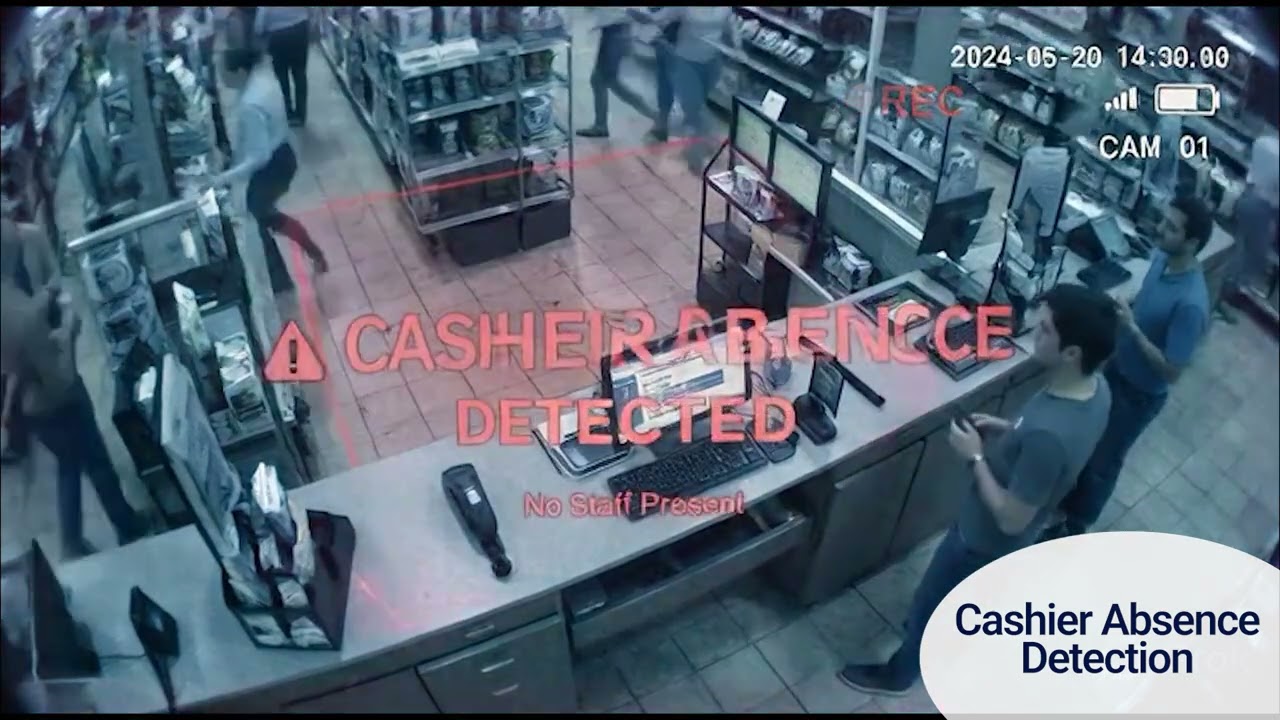
You can also watch: VideoraIQ Cashier Absence Detection | Real-Time AI Monitoring for Retail
Summary
Business surveillance cameras can do far more than record video. They help companies improve security, monitor important spaces, review incidents, and maintain stronger day-to-day oversight. The best results come from pairing clear goals with smart camera placement, reliable video quality, and a setup that matches the size and needs of the business.
FAQs
What do business surveillance cameras help with most?
They mainly help with security monitoring, incident review, theft deterrence, and visibility across entrances, customer areas, workspaces, and storage zones.
How many cameras does a business need?
It depends on the property size, layout, and security priorities. A small office may need only a few cameras, while a warehouse or retail site may require broader coverage.
Can business camera systems be checked remotely?
Yes, many modern systems allow authorized users to view live footage or recorded video from a phone, tablet, or computer.
Are indoor and outdoor business cameras different?
Usually, yes. Outdoor cameras are often built to handle weather, temperature changes, and wider coverage needs, while indoor cameras focus more on internal visibility and space monitoring.
